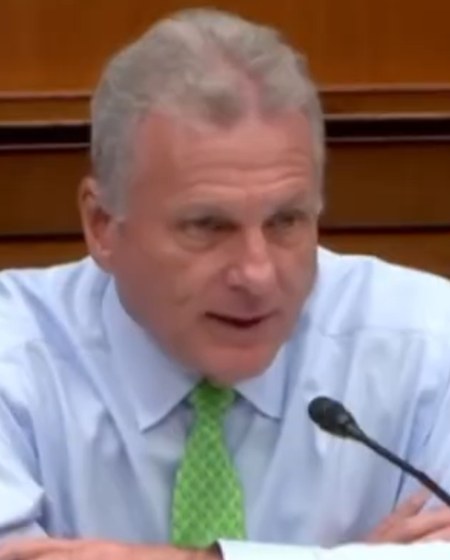
Oversight Record · 4 of 6 · Republican · Georgia GA-01 · Energy & Commerce
Rep. Buddy Carter (R-GA)
Pharmacist · U.S. House · Energy & Commerce · "We Don't Want Amputations" · March 17, 2026
What He Asked
At a March 17, 2026 House Energy & Commerce oversight hearing on Medicare and Medicaid fraud, Rep. Carter, a pharmacist who ran his own pharmacy business for 32 years, questioned CMS Deputy Administrator Kimberly Brandt about skin substitutes: the grafts used to heal chronic wounds.
He agreed the spending had gotten out of control. Then he asked the question that matters most to patients: if Medicare cuts back this hard, how many people lose a leg, and how would we ever know?
CMS's answer was that billing had dropped 99% under the new payment rules, and that, to Brandt's knowledge, no beneficiaries had come forward saying they couldn't get the care.
The Exchange · Watch It
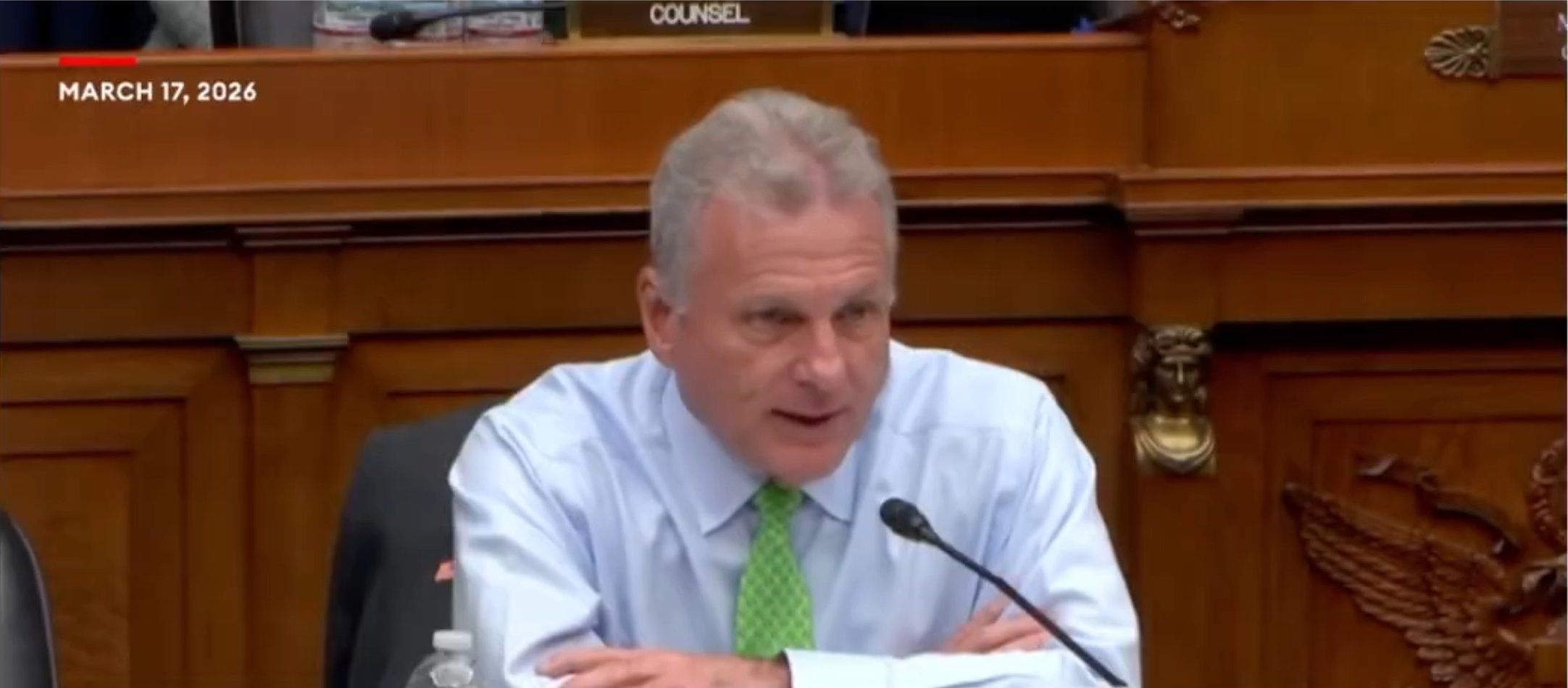
Opens the committee's full hearing video at 2:40:12, where Rep. Carter is recognized. The amputation exchange runs from about 2:42:07 to 2:45:41.
On the Record · March 17, 2026
"We need skin substitute products for wound care. But what we've seen is obviously been out of control. And I applaud the agency for addressing that."
— Rep. Carter, 2:41:07
"We gotta be careful because it is important. We don't want amputations, particularly in patients, as we all know, diabetic patients get a wound on their lower extremity. It's going to be awful and it's going to result in a lot of times an amputation."
— Rep. Carter, 2:42:12
"Have we had any results in seeing more amputations? I mean, is there any way, how are we ever going to quantify that?"
— Rep. Carter, 2:43:41
"We have received, to my knowledge, no pushback from the beneficiary community saying that they don't have access to being able to get that care… we would obviously respond if those beneficiaries would come forward… But as of right now, we're good."
— Kimberly Brandt, CMS Deputy Administrator, 2:44:01
"I'm just worried we swung the pendulum too far. I know it's got to swing back, but I'm just scared we may have swung it too far and that we're going to get adverse effects as a result of that."
— Rep. Carter, 2:44:37
Transcribed from the committee's hearing video. Repeated words ("but but," "there's there's") removed; nothing else changed.
"No One Came Forward"
CMS measured access by whether patients complained. But a patient can't push back on a treatment they don't know exists. Most people with a chronic wound have never heard the words "skin substitute" until a wound clinician says them, if one ever does.
Michael Kissling, who built AbilityForge, is the kind of patient Rep. Carter was worried about, from before this policy existed. Apligraf was FDA-approved in 1998 for exactly his kind of wound. His first venous ulcer opened in February 2019. His first Apligraf came in October 2020, and the wound closed within about five weeks. In 2023 he lost the leg above the knee.
His case predates the 2026 payment changes, so it is not evidence against them. It is the patient Rep. Carter described: the one who needed the graft, waited, and was never counted. Read his case →
His Bill · H.R. 5768
Rep. Carter introduced the Skin Substitute Access and Payment Reform Act on October 22, 2025, with Reps. Marc Veasey (D-TX), Greg Steube (R-FL), and Rich McCormick (R-GA). It would cap Medicare payments for skin substitutes based on historical average prices, delay the national noncoverage proposal by a year for clinical trials, and put the top 3% of outlier billers under prepayment review and prior authorization. His stated goal: stop runaway prices without cutting off the patients who need the products to "avoid amputations."
Why This Is Here — and What It Is Not
This is not an endorsement of Rep. Carter's politics or of every provision in his bill. Skin substitute spending really did explode: from about $400 million in 2022 to over $10 billion in 2024, according to the subcommittee's chairman, Rep. John Joyce. Fraud was a real part of that, and Rep. Carter said so himself.
It is here because he held two true things at once, on the record: stop the fraud, and don't let the patients who need these grafts become the cost of stopping it. AbilityForge has not contacted Rep. Carter, and he has not reviewed this page.
Tell Them AbilityForge Sent You
If a wound you or someone you love needed treated went untreated, or ended in an amputation, that is exactly the data CMS said it isn't hearing. Tell his office.
Sources
- Hearing video — Rep. Carter's questioning begins at 2:40:12
- House Energy & Commerce, Subcommittee on Oversight and Investigations — "Protecting Patients and Safeguarding Taxpayer Dollars: The Role of CMS in Combatting Medicare and Medicaid Fraud," March 17, 2026
- Written testimony of Kimberly Brandt, CMS Deputy Administrator (PDF)
- Rep. Carter — "Carter introduces bipartisan bill to lower costs, preserve access to wound care" (H.R. 5768), October 22, 2025
- FDA premarket approval P950032 — Apligraf, approved May 22, 1998